Why preventive maintenance pays for itself
HVAC equipment that gets serviced regularly uses less energy, breaks down far less often, and tends to last 5–10 years longer than equipment that runs until it fails. For commercial buildings, that means lower utility bills, fewer tenant complaints, and a longer capital replacement cycle. For homeowners, it means you don't lose AC during a July heat wave.
Commercial maintenance contracts
We build maintenance agreements around how your building actually operates — visit frequency, scope, after-hours access, reporting. Typical inclusions:
- Scheduled PM visits (quarterly, bi-annual, or custom)
- Filter changes and coil cleaning
- Refrigerant charge verification and leak inspection
- Electrical connections, capacitors, contactors checked
- Belt inspection and replacement
- Condensate line cleaning and pump testing
- Thermostat and control verification
- Written digital service reports for every visit
- Priority dispatch and preferred pricing on repairs
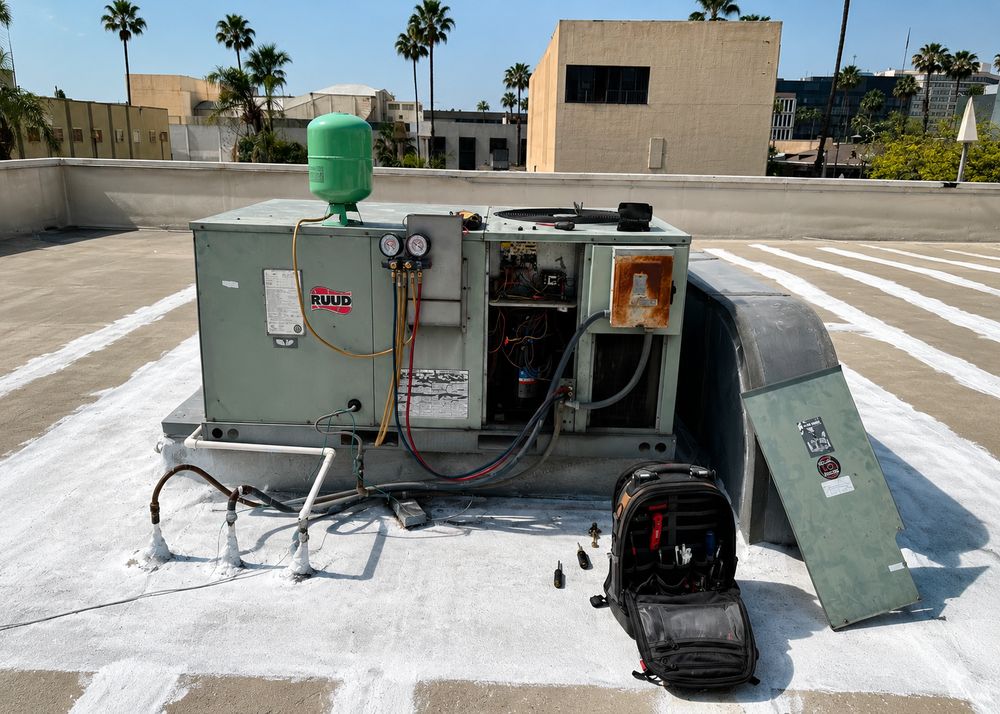
Residential maintenance & tune-ups
For homes, we recommend a spring AC tune-up and a fall heating check. A standard residential PM includes:
- Coil cleaning (indoor and outdoor)
- Refrigerant pressure check
- Electrical and capacitor testing
- Blower motor inspection and lubrication if applicable
- Drain line clearing and treatment
- Thermostat calibration
- Filter replacement (we'll bring filters if you want)
- Combustion analysis on gas furnaces (heating season)
What you get with a maintenance agreement
Beyond the work itself, our maintenance clients get tangible benefits:
- Priority dispatch on service calls when something does go wrong
- Preferred pricing on parts and labor for repairs
- No diagnostic fee for emergency calls during contract period
- Documentation of system condition useful for warranty claims and asset records
- Single point of contact for everything HVAC at your property